
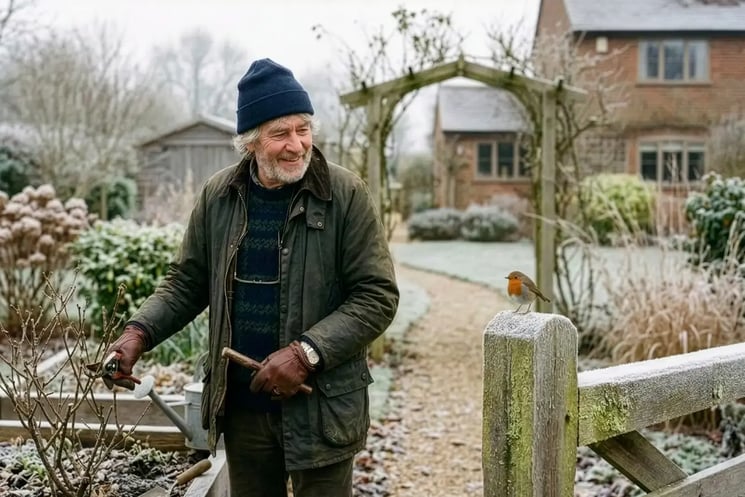

For many of us, a robin in the garden feels extra special. There's a long-held belief that when a robin appears, it's a sign a loved one who has died is close by – and that's part of why robins have always meant so much to us at Pure Cremation.
This year, though, you may see fewer of them. After one of the driest, hottest summers on record, experts are warning that robins and other garden birds have had a tougher time finding food – and that could mean a quieter Christmas in gardens across the UK.
Why this summer's drought is putting robins under pressure
This summer brought one of the driest, sunniest Julys on record, with some parts of the country seeing as little as 1% of their usual rainfall. It's the third drought the UK has faced in five years, leaving little time for wildlife to recover between dry spells.
For robins, the problem starts with the ground itself. Hard, baked soil makes it much harder for them to reach the earthworms, beetle larvae and other invertebrates they normally rely on. "While high temperatures make things challenging for many species, it is the knock-on consequences of extreme heat and drought that cause the greatest impact," an RSPB spokesperson told us. "Hard ground makes finding food more difficult for birds with an invertebrate diet."
That matters most during the breeding season, when robins are feeding chicks as well as themselves. "Breeding birds may have fared well this spring, but the heatwaves could negatively impact what they can feed their young," the RSPB spokesperson added.
Jon Carter, Media Manager at the British Trust for Ornithology (BTO), agreed: "A lack of water in many places, and a reduction in access to food such as worms and grubs, during the breeding season may have left birds such as robins and blackbirds struggling to raise their chicks."
Fewer chicks surviving to fledge generally means fewer young robins around by autumn – one reason a difficult breeding season can still be felt in gardens months later, once the weather turns cold.
It's too early to know the full picture. "At this stage we do not yet know what the long-term impacts will be," Carter said. Each autumn, UK gardens are joined by robins arriving from continental Europe to spend the winter here, so it may take a season or two before we know how our resident robins have coped. The BTO's Garden BirdWatch is one of the ways researchers build up that picture – it's a year-round survey where volunteers simply note down which birds visit their garden each week, and anyone can take part.
How you can help robins in your garden this autumn and winter
Both the BTO and the RSPB point to feeding as one of the simplest ways to help. "To help our robins, we advise keeping areas of gardens a little messy, to encourage insects for food, and to provide shelter for the birds. Clean water is essential, and supplementary feeding in the form of mealworms or suet pellets can also help, especially in harsh winter weather," Carter said.
Fresh water is just as important, especially once the weather turns properly cold. A shallow dish or birdbath, no deeper than around 5cm, gives robins somewhere safe to drink and bathe – just remember to break any ice and top it up with lukewarm water during freezing spells.
Leaving leaf piles, log piles and quiet corners undisturbed gives robins somewhere to shelter and find insects, while berry-producing shrubs like hawthorn, elder and holly offer a valuable food source into winter. Our article on how to attract robins to your garden has more ideas if you'd like to do more.
Frequently asked questions
Why are robins becoming rarer in gardens?
This summer's drought made it harder for robins to reach the worms and insects they rely on, particularly while raising chicks. Experts won't know the full impact on robin numbers until spring, but it's understandable if you're seeing fewer visitors than usual.
What can I feed robins in autumn and winter?
Mealworms, suet pellets and sunflower hearts are all good choices. Offer food at ground level or on a low table, and avoid bread, salted or processed foods, and hard seeds in shells.
Do robins migrate away from the UK in winter?
Most of the robins in your garden stay in the UK all year round. Autumn also brings extra robins arriving from continental Europe to spend the winter here, so you may see more activity than usual.
How can I make my garden more robin-friendly?
A shallow water source, a few undisturbed corners for shelter, and berry-producing shrubs like hawthorn or holly all help. Robins can also recognise individual people over time, so a little patience with regular feeding often pays off.