

How to attract robins to your garden
Simple things you can do to make your garden more welcoming to robins
If you've ever had a robin hop up close while you're gardening, you'll know what a lovely moment it is. These confident, curious birds are one of the few species that genuinely seem to enjoy human company — or at least, they're not particularly bothered by it.
There are simple things you can do to make your garden more welcoming to robins, and to give them a better chance of thriving.
Offer the right food
Robins are ground feeders by nature, so start by getting food down low. Live mealworms are one of their favourites — high in protein and irresistible, especially during the breeding season when they're feeding growing chicks. You can buy them from garden centres or online.
Other good options include grated mild cheese, soft fruit such as chopped apple or berries, and specialist robin food mixes. Avoid hard seeds in shells — robins find them difficult to manage — and never offer salted, spiced or processed food.
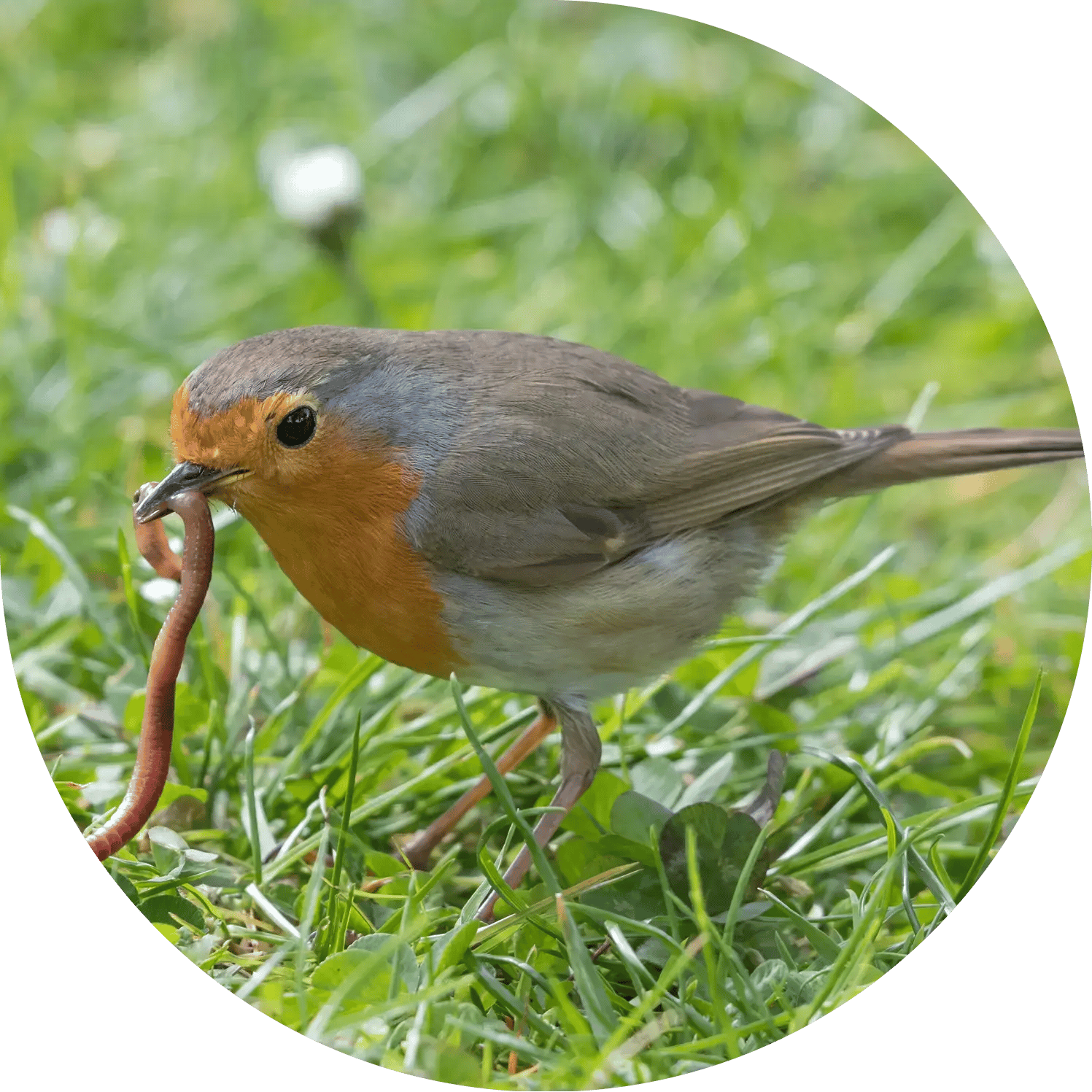
A robin can make up to 100 food trips a day when feeding chicks.
Feed at ground level or on a low table
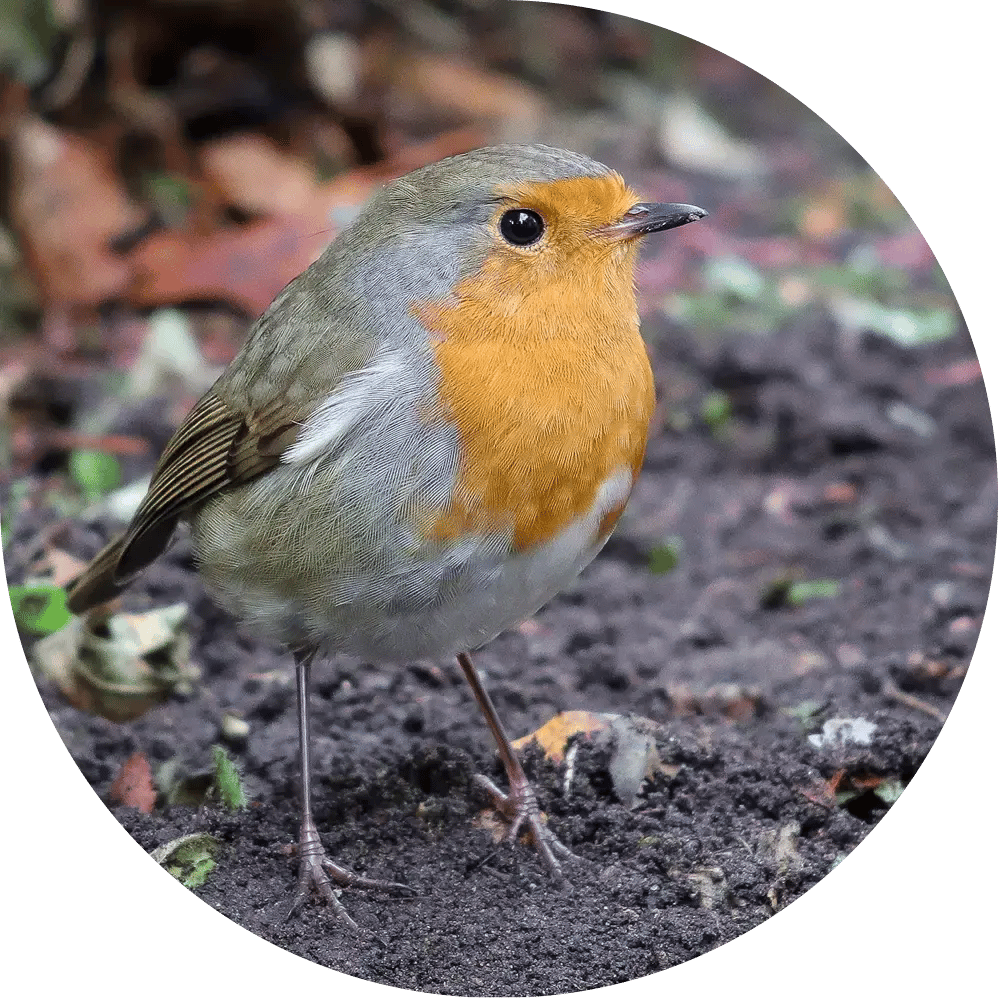
Robins feed almost exclusively at ground level — a hanging feeder is of no use to them at all.
Robins rarely use hanging feeders, which suit more agile birds like tits and finches. Instead, scatter food on the ground, on a flat stone, or on a low table with some shelter nearby so they can retreat quickly if startled.
Keep the feeding area clean. Remove old or damp food every day, and wash the surface regularly to prevent bacteria from building up.
Provide clean water
A shallow birdbath is one of the most useful things you can offer any garden bird, and robins are no exception. They need water for drinking and bathing, and in summer or during dry spells, natural sources can quickly run dry.
Keep the birdbath no deeper than 5cm and refresh the water regularly. In winter, check that it hasn't frozen over — and if it has, top it up with lukewarm water.
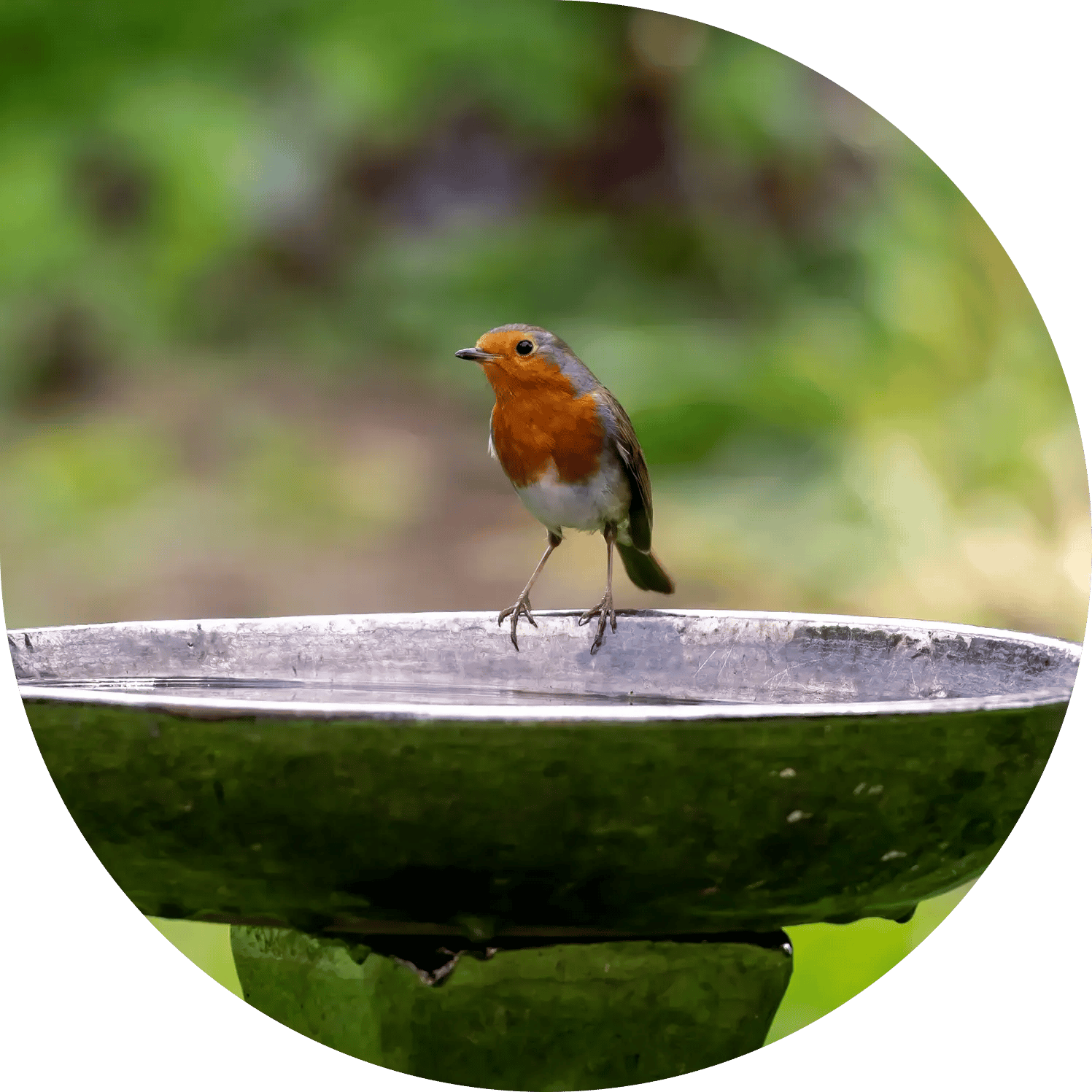
Robins bathe regularly to keep their feathers waterproof and insulating — vital for surviving cold nights.
Create a good habitat
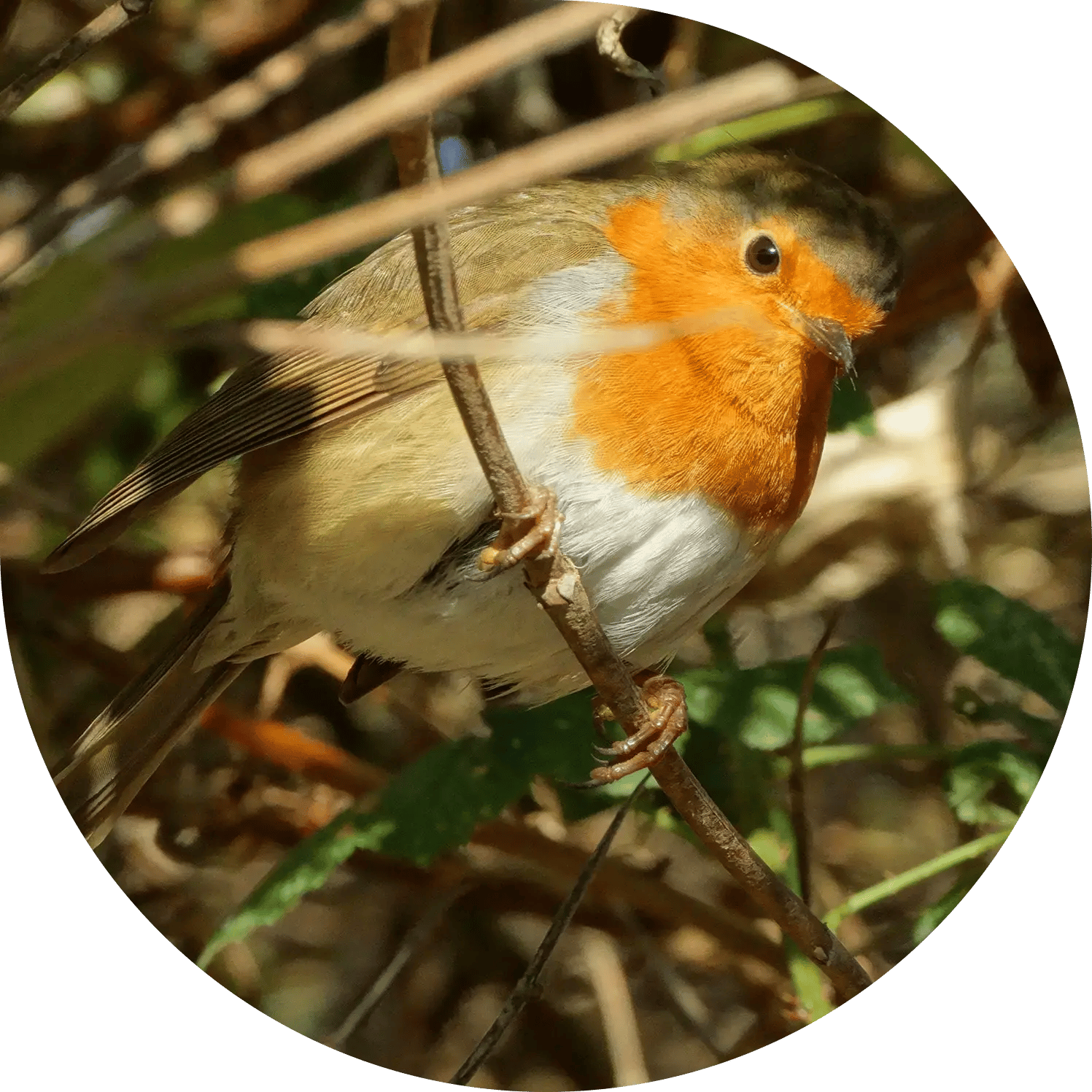
A single mature hawthorn can produce enough berries to feed a robin through most of winter.
Robins love gardens that mix open ground with sheltered corners. They forage in leaf litter and under hedges, so a small pile of leaves in a quiet spot can be genuinely useful.
If you're planting, choose shrubs that produce berries in autumn and winter — hawthorn, elder and holly are all good choices. These give robins both food and shelter when they need it most.
Be patient
Robins are curious but cautious. If you sit quietly in the garden — especially while digging or turning compost — one may appear within a few minutes, drawn by the promise of disturbed soil and uncovered worms. Avoid sudden movements and let it come to you.
Once a robin decides you're trustworthy, it tends not to forget. Many people find the same bird returns to their garden year after year — a small but meaningful connection with the natural world.
For more on what robins eat and need at different times of year, see our guide to robins through the seasons.
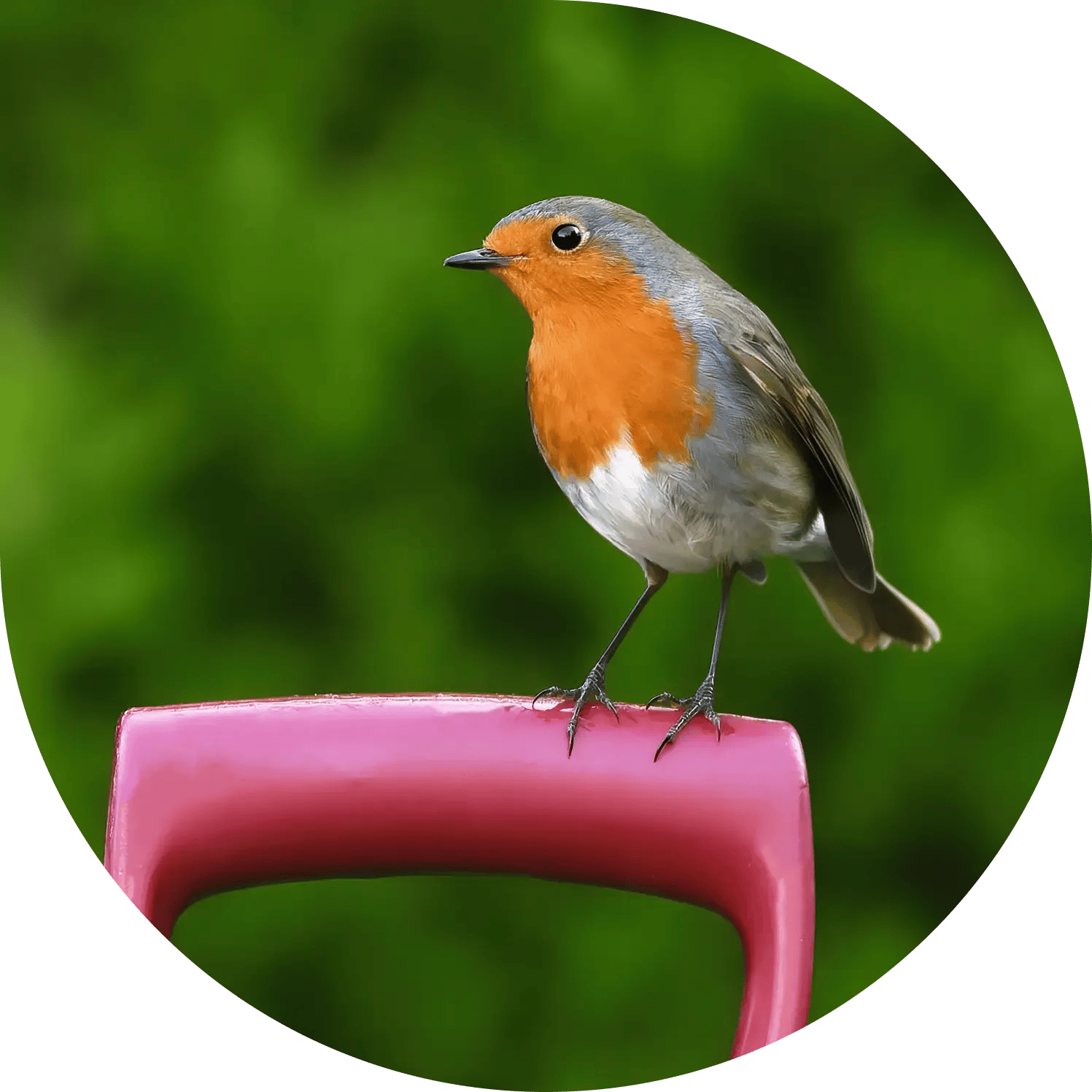
Robins can recognise individual people, which is why the same bird keeps coming back to the same gardener.