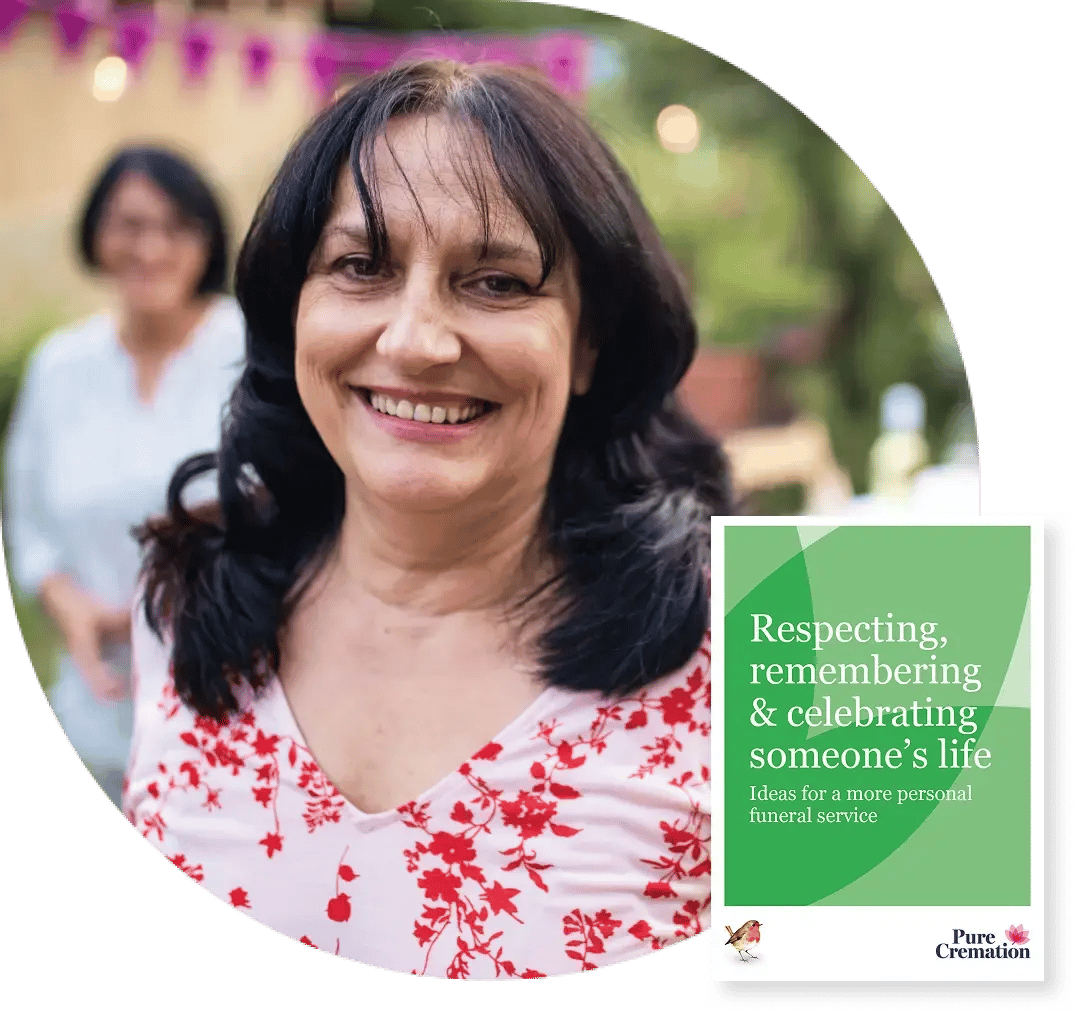


When someone important to you dies, it can feel as though the world shifts. In those first days, the rituals we turn to can help us face that change. For generations, the traditional funeral has played a central part in acknowledging a death and supporting the people left behind. The need to mark a life and to grieve has not changed. What has changed is the way many families now choose to honour the person they loved.
More people are deciding to focus on the life that was lived rather than the moment of loss. A celebration of life offers room for personality, warmth and authentic storytelling. It often includes music, readings and symbolic touches that reflect the character of the person who has died. This approach can feel comforting and uplifting at a time when emotions are fragile.
Pure Cremation speaks with families every day who want something more personal than a traditional funeral. Many tell us they want freedom to create a farewell that feels true to the person they have lost. A celebration of life gives them that freedom.
We also have a guide to holding a celebration of life, which contains even more useful information.
Celebration of life compared with a funeral
A funeral is usually a structured ceremony held soon after the death. It often includes formal language, set readings and specific rituals. Many services take place at crematoriums or cemetery chapels. Some follow religious traditions. Others follow a non-religious format with an entry piece of music, a eulogy, a reading and a final piece of music. The body is usually present for this type of service. Most ceremonies last around thirty to forty-five minutes because the venue has other services scheduled that day.
A celebration of life is different. It is built around the person and the relationships that shaped their world. There are no required rites. There is no expectation to follow a set order of service. The body is not usually present. You can choose any location that feels meaningful. It could take place in a garden, a favourite pub or a village hall filled with photos and laughter.
A celebration of life can last an hour or an entire afternoon. It can be quiet or joyful or a mixture of both. It can follow a simple structure or none at all. What matters is that it captures the spirit of the person and brings people together in a way that feels right.
Many families tell us that traditional funerals feel impersonal or too heavy for the personality of the person who has died. Others want more space to share stories or incorporate music and moments that reflect the life they are honouring. A celebration of life offers a gentle shift toward something more positive and more personal.
When to hold a celebration of life
There are no fixed rules. You can hold a celebration of life soon after the death or wait until you feel ready. Many families find it helpful to plan the event a few weeks later so people have time to gather memories, book a venue and create a fitting tribute.
Some people choose to plan their own celebration of life in advance. This can be a comforting way to make sure family and friends know exactly what will feel right. Living funerals are becoming more common, and they allow someone to be part of the occasion while they are still alive. It can be a deeply moving experience for everyone involved.
How to plan a celebration of life
Planning a celebration of life is similar to arranging any meaningful gathering. There are decisions to make and ideas to explore. Unlike a traditional funeral, there is no fixed timetable. You can take the time you need to create something genuine and heartfelt.
Begin with the person at the centre of it all. Think about their personality, their passions, the people they loved and the experiences that shaped their life. These details will guide the choices you make.
You can then build a simple framework. Many families create moments for story sharing. Some choose a clear goodbye moment, such as lighting a candle or playing a favourite piece of music. It can help to invite contributions from the people who knew them best.
Next, you can think about the practical elements. Choose a venue that suits the atmosphere you want to create. Decide on a date and create a guest list. Think about food and refreshments. These small choices help set the tone for the day.
Music and readings can add depth and warmth. Pick words and melodies that bring the person to mind. Photos and videos can also create a touching point for reflection.
Some families like to appoint someone to guide the event. This helps keep things flowing and gives a gentle sense of structure without feeling formal.
Celebration of life songs
Music has the power to express emotion when words feel hard to find. Many families choose songs that the person loved. Others pick music that reflects the mood of the celebration. You might want something gentle or something joyful. There is no right or wrong choice. The most important thing is that the music feels true.
It can be helpful to think about moments in the person’s life where music played a role. It might be a favourite album, a song they always sang in the car or a piece that reflects the values they lived by.
We have a range of curated song collections to help you choose something meaningful, including playlists for a mother or a father, and a larger list of one hundred well-loved funeral songs.
What to wear to a celebration of life
A celebration of life has a different atmosphere from a traditional funeral. While there is space for sadness, there is also room for smiles, memories and even laughter. Because of this, many people choose not to wear black. Some families invite guests to wear bright colours or clothing that reflects the personality of the person being honoured. If you are planning the event, you can let guests know if you have a preferred dress code.
The average cost of a celebration of life
The cost of a celebration of life varies. You can decide how simple or elaborate the occasion will be. Setting a budget early on can help guide your choices. Venue hire, catering and decorations are usually the main expenses. You might choose to prioritise the elements that feel most meaningful and keep other parts simple.
Many families find comfort in knowing that a Pure Cremation funeral plan helps remove the pressure and cost of a traditional funeral, giving them the freedom to plan a celebration of life at a time, place and budget that suits them..webp?width=2022&height=693&name=Lost%20for%20words%20banner%202%20(2).webp)
Celebration of life ideas
There is no correct way to celebrate a life. What matters is that the event reflects the person you are honouring. Here are a few ideas that families often find meaningful:
- Planting a tree or placing a memorial bench in a spot they loved.
- Gathering quotes, memories or messages from guests and displaying them on a board.
- Sharing a collection of recipes that were special to them.
- Creating a video tribute with photographs, favourite music and key milestones.
- Choosing a location with personal significance, such as a beach, woodland or a favourite walking route.
- Holding a charity fundraiser or event in their name.
- Organising an activity linked to their passion, anything from a friendly sports match to a craft session.
- Bringing together small keepsakes in a memory chest for friends and family to contribute to.
Ongoing remembrance
A celebration of life is often the beginning of a longer journey of remembrance. Families find many gentle ways to keep their loved ones close.
You might create a remembrance space at home with photos and objects that hold meaning. Some people choose to mark birthdays or anniversaries with small gatherings or private rituals. Visiting a grave or a memorial can also bring comfort. Scattering ashes in a meaningful place can create a setting for quiet reflection.
These acts help keep the memory of the person alive in a natural and personal way.
Gentle guidance when you need it
Planning a farewell can feel emotional even when you know exactly what you want to say about the person who has died. If you would like more support, our free send-off planner, A Fine Farewell, can guide you. It is a simple and friendly service that helps you explore ideas for readings, music and personal touches. It feels more like a conversation than a planning task, and it helps you shape a farewell that is meaningful, personal and full of love.
Whether you choose a celebration of life, a traditional service or something entirely your own, the most important thing is that it feels right for you and reflects the life you are honouring. Grief is deeply personal, and so are the ways we gather to remember.
Pure Cremation is here to support you with clear guidance, compassionate care and the freedom to create a farewell that truly reflects the person you love.