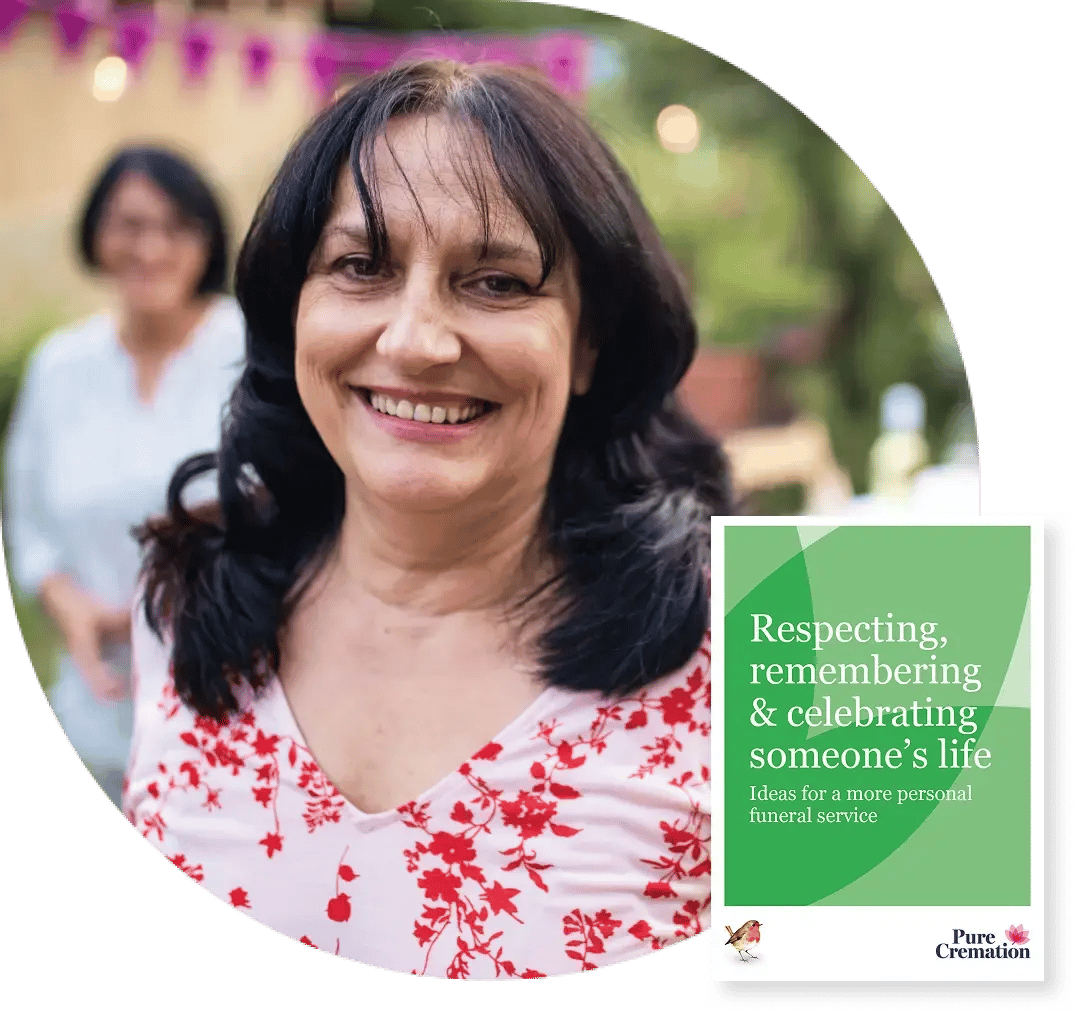


Planning a celebration of life is a chance to honour someone you cared about in a way that reflects their personality, their values and the moments that made them who they were. Many people now choose celebrations that feel personal and uplifting rather than strictly traditional, and this freedom allows families and friends to create something that feels true to the person they are remembering.

We also have a guide to holding a celebration of life, which contains even more useful information.
A celebration of life gives families the space to tell stories, share memories and acknowledge their loss in a setting that feels comfortable. It might look very different from a traditional funeral, or it may include familiar elements. What matters is that it feels right for the people who loved the person who has died. Do take a look at our free guide for ideas on where to start.
This article explores how these gatherings work today, how they can be shaped in meaningful ways and what you may want to think about if you are planning one for yourself in the future or if you're arraning a funeral now for someone else.
Modern celebrations of life
Funeral traditions have changed significantly over the past few decades. Many people no longer feel tied to a certain schedule or a fixed location. A celebration of life can be held weeks after the cremation or burial, and this flexibility is especially helpful when friends and relatives live far apart or need time to make arrangements. There is no expectation that a gathering must take place at a particular venue or follow a certain structure. In fact, many families now prioritise comfort, creativity and authenticity over formal rituals.
This shift allows people to truly personalise the occasion. Some gatherings feel quiet and reflective, while others feel warm and energetic. You might invite close family only, or you may welcome a wider circle of friends and colleagues. There is no right or wrong way to remember someone. Your only task is to honour the person in a manner that feels sincere.
Before planning the details, it can be helpful to think about the overall tone you would like. Do you imagine something gentle and peaceful or something joyful and filled with laughter? Would the person you are remembering want people to dress formally or wear bright colours? Did they love being outdoors or being at home with family? These simple reflections give you a foundation to build on.
Choosing the right location
One of the biggest changes in modern end-of-life celebrations is the freedom to choose a location that feels meaningful. A church or crematorium can still be a comforting choice, but it is no longer the only one. Families now gather in village halls, community centres, favourite restaurants and peaceful gardens. A local pub can feel friendly and relaxed, while a home gathering can feel deeply intimate. Some families meet beside the sea or in a woodland clearing. The right place is the one that reflects the person you are honouring.
Outdoor settings can be especially comforting for people who loved nature. You might gather by a river, on a quiet footpath, or in a park where they often walked. The weather can be unpredictable, so it is wise to have a simple plan for shelter if you choose an outdoor location, but the natural world can offer a sense of calm that many people treasure.
Wherever you choose, think about practical details such as accessibility, seating and whether you need to book the venue in advance. A celebration of life is often more relaxed than a traditional funeral, and the space you choose can help people feel more at ease.
Arriving in a way that feels personal
Traditional funeral transport can feel too formal for some families. Today, there are many ways to travel that carry a sense of personality. Some people use classic cars or family vehicles decorated with flowers. Others walk together from a central meeting place to the chosen venue, which can help everyone feel united from the start. In some communities, families arrive by bicycle or camper van because these were big parts of the person’s life. The important thing is that the journey feels meaningful, not ceremonial.
For celebrations held after a cremation, there is no pressure to coordinate transport at all if you prefer a simple gathering. Removing this sense of logistics can ease stress at a time when it is deeply needed.
Clothing that reflects the person you are remembering
Gone are the days when everyone felt expected to wear black. Many people now choose clothing that reflects the personality or wishes of the person who has died. Bright colours, favourite outfits or relaxed clothing can help people feel comfortable and supported. Children, especially, may find formal wear unsettling, so giving them permission to dress in a way that feels familiar can help them feel more at ease.
This is an opportunity to create a gentle sense of unity without placing pressure on anyone. You might invite people to wear a favourite colour of the person who has died or clothing that reflects one of their passions, such as gardening or sports.
Music that sets the mood
Music has a powerful way of shaping the atmosphere of a gathering. Not everyone wishes to sing traditional hymns, and you are free to choose songs that feel right. This may include favourites from a beloved artist, songs from films or television shows, or live music played by friends. Some families choose gentle background music to create a peaceful environment, while others include a moment where guests listen to a particular song together.
The music you choose does not need to follow any tradition. It only needs to reflect the person you are remembering or the mood you want to create.
Coffins, urns and eco-friendly choices
Many people are choosing natural and sustainable options for coffins and urns. At Pure Cremation, we use solid wood coffins (usually cedar) that are suitable for cremation and sustainably sourced.
If you have chosen cremation, you may want to think about where the ashes will rest. Some families keep an urn at home. Others choose a garden in a cemetery or a dedicated memorial space. Pure Cremation provides biodegradable urns that can be buried in a garden under a tree or plant, which creates a gentle and lasting connection to nature.
The importance of talking about wishes
Talking about death is never easy, yet these conversations bring so much relief. When someone shares their wishes, it gives their family clarity in a moment that can feel confusing and overwhelming. Knowing whether they wanted something formal or relaxed, quiet or joyful, traditional or personal can ease a great deal of worry.
Even if these conversations feel uncomfortable, they give those we love a precious gift. It allows them to make decisions from a place of confidence rather than uncertainty. Some people choose to include their wishes in a Will so that family members can easily refer to them. Others simply talk openly at home. However you do it, sharing your preferences can make a significant difference.
Giving yourself time
One of the advantages of a pure cremation is the separation of the cremation from the gathering itself. This means you do not need to plan a service at short notice. Families have time to reflect, choose a meaningful venue and ensure everyone who wishes to attend can make arrangements.
This freedom can be particularly important for families who live across the country or abroad. It also allows people to move at a pace that feels emotionally manageable. Grief does not follow a timetable, and this flexibility gives everyone breathing space.
Flowers and meaningful alternatives
Flowers have long been connected with funerals, but they can be expensive and are often left behind afterwards. Many families now choose alternatives that feel more personal or sustainable. You may decide to use potted plants that can be taken home or placed in a garden. Dried flowers also last far longer and make a gentle keepsake.
Some families prefer to avoid flowers entirely and instead invite donations to a charity that meant something to the person who has died. This can turn the gathering into a moment of kindness that continues their legacy. Others involve children by inviting them to bring drawings or small messages to place in a memory box.
Creating a sense of remembrance
As you plan a celebration of life, you might want to consider how you will share memories. Some families create a memory table with photographs and personal items that reflect the person’s passions. Others set up a guest book where people can write messages, which families often treasure for years to come. You might create a slideshow, read letters or share stories. These moments often become the emotional heart of the gathering.
For those who prefer something quiet, a simple moment of reflection can hold just as much meaning. People may sit in silence for a few minutes, listen to a favourite piece of music or light candles to honour the person who has died.
Why planning ahead matters
Thinking about your own funeral or celebration of life can feel uncomfortable, but it is one of the most thoughtful gifts you can give your family. A funeral plan takes away financial stress and makes your wishes clear. This means the people you love can focus on remembering you rather than worrying about logistics or cost.
A Pure Cremation funeral plan offers freedom and simplicity. The cremation takes place without a service, giving your family time to plan a gathering that feels right for them. It removes unexpected expenses and protects those you care about from difficult decisions at an already emotional time.
If you are considering planning ahead, get in touch with our friendly team on 0800 470 23 93.
.webp?width=173&height=234&name=Facebook%20post%20(800%20x%201080%20px).webp)
If you're thinking about funeral costs and what's right for your budget, our free funeral savings calculator shows you the average price of a traditional funeral in your area.
Bringing everything together
A celebration of life can be gentle or lively, simple or creative, intimate or large. What matters most is that it reflects the person you are honouring and supports the people who are grieving. By taking time to think about the location, music, tone and personal touches, you can create a gathering that feels genuine and comforting.
Pure Cremation is here to help you understand your choices. Whether you are planning for the future or arranging a farewell for someone you love, you are not alone. A celebration of life is a way to honour a life lived, a bond shared and the memories that continue to matter.
If you would like gentle support as you plan, our free send-off planner, A Fine Farewell, can help. This simple service offers guiding questions and thoughtful suggestions so you can shape a gathering that feels heartfelt and personal. It is a reassuring way to explore ideas at your own pace.