
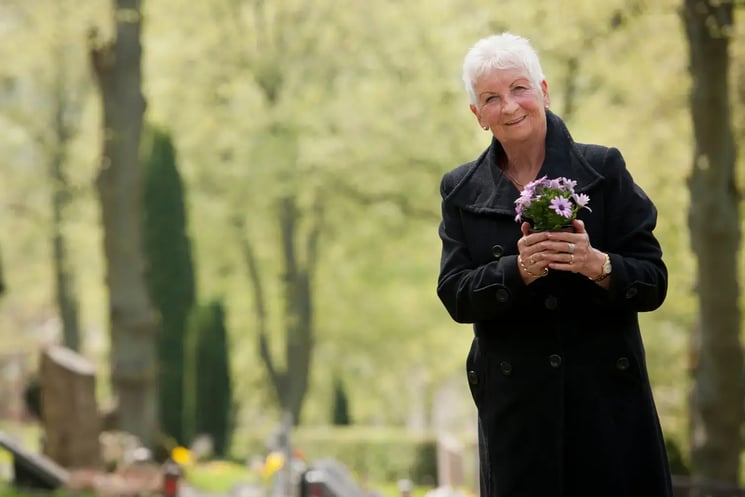

Choosing flowers for a funeral or celebration of life is often an emotional experience. Flowers have long been symbols of love, support, and remembrance, expressing feelings that words alone sometimes cannot capture. Selecting the right funeral flowers allows you to show care and respect while reflecting the personality and life of the person who has passed away.
In this article, we will explore everything you need to consider when selecting funeral flowers. From understanding the meaning of different ones to balancing tradition with personal touches, seasonal availability, and eco-friendly options, we will help you make a thoughtful choice that honours your loved one.
If you want to write a message to accompany the flowers but are unsure where to start, try our new sympathy message writer.
Why funeral flowers matter
Flowers are not just decorative. They provide comfort, create a calming atmosphere, and can help convey emotions when it feels difficult to speak. Sending funeral flowers or arranging them for a service allows family, friends, and colleagues to participate in the farewell in a meaningful way.
Different flowers carry different meanings. Choosing blooms with significance can add a personal and thoughtful layer to your arrangement. For example, lilies often symbolise purity and peace, while roses represent love and respect. Chrysanthemums are commonly associated with grief in Europe and Asia.
However, there is no hard rule. A favourite flower of the deceased or something that evokes a memory can be just as powerful as a traditional choice. What matters most is the thought behind the gesture.
Reflecting personality and preferences
One of the most meaningful ways to choose funeral flowers is to consider the personality and preferences of the person who has passed away. Did they enjoy bold, colourful blooms or more subtle, classic flowers? Were they passionate about gardening or a particular plant?
You might choose flowers they tended themselves or arrangements that reflect their hobbies, favourite colours, or personal style. Wildflowers, for example, can feel more relaxed and natural, while structured bouquets can convey elegance and formality.
This personal touch can also guide decisions on what to write on accompanying cards or tributes. If you are unsure, you’ll find ideas in our article on what to write on funeral flowers.
Types of funeral flower arrangements
There are several types of funeral flower arrangements, each serving a different purpose during a service. Understanding the options can help you decide which is most appropriate.
Casket sprays
Casket sprays are large arrangements placed on or around the coffin. These are usually chosen by close family members and can be designed to reflect the style, personality, or favourite flowers of the deceased. They often come in full-length or half-length variations.
Standing sprays and wreaths
Standing sprays and wreaths are typically placed near the coffin, at the graveside, or in the funeral venue. Friends, colleagues, and extended family members often send these arrangements. They can take many shapes, such as circles, hearts, or crosses, and can be customised in colours and styles that carry personal meaning.
Sympathy bouquets and baskets
Smaller sympathy bouquets or floral baskets can be sent to the family’s home. They serve as a comforting reminder of support and care after the funeral has ended. Many people appreciate receiving flowers that brighten the home and provide a lasting reminder of love and thoughtfulness.
Balancing tradition and personal choice
Funeral flowers are shaped by both tradition and personal preference. Many cultures favour white flowers because they symbolise peace and purity. However, some families prefer more colourful arrangements to celebrate the life and character of the person who has died.
Understanding any cultural or religious traditions is important. In some cultures, specific flowers or colours are used for mourning, while others may embrace a more celebratory approach. Even within traditions, there is room for personal touches that reflect your loved one’s personality and your relationship with them.
Music can also play a role in creating a meaningful celebration of life. Choosing songs that were significant to the person or reflect your shared memories can complement the impact of floral arrangements.
Considering the season
Seasonal flowers are often fresher, more readily available, and sometimes carry added symbolism. Spring blooms like tulips, daffodils, and hyacinths can represent renewal and hope. Summer flowers such as roses, sunflowers, or lavender can reflect warmth and joy. Autumn colours, including chrysanthemums, marigolds, or dahlias, can convey stability and comfort, while winter blooms often feel elegant and contemplative.
Using seasonal flowers can make your arrangements feel more natural and aligned with the environment. Florists can advise on what is available during the time of year, ensuring the flowers look their best for the service or display.
Choosing a colour palette
Colours can convey emotion in a subtle but powerful way. Whites and soft pastels are commonly used to express peace and comfort. Deeper shades such as red or purple represent love, respect, and remembrance. Bright colours may be suitable for someone known for their joyful and vibrant personality.
Choosing a consistent colour palette across arrangements can create a sense of cohesion for the service and reflect your intentions. Whether you follow traditional norms or create a personalised palette, the colours you select can express thoughtfulness without words.
Eco-friendly funeral flowers
Many florists now offer sustainable options to reduce environmental impact. Biodegradable materials, local blooms, and potted plants are increasingly popular. Choosing sustainable or reusable arrangements can reflect care for the planet while still honouring your loved one.
Potted plants, for instance, can provide a lasting tribute long after the funeral. These can be planted in the garden or kept indoors as a living reminder of the person you are commemorating.
Adding personal touches
Adding small, meaningful touches to your arrangements can make them feel more personal. Consider including:
- A ribbon in a favourite colour
- A handwritten note or card
- A small charm, photograph, or keepsake
These details allow family and friends to personalise the tribute and share memories in a way that feels heartfelt and considered.
Not sure what to write on the card? Try our free sympathy message writer for a little help finding the right words.

Working with a florist
Professional florists can provide valuable guidance, especially if you are uncertain about your choices. They can advise on seasonal availability, suitable flower types, and customisation options. Sharing details about the deceased, your relationship, and their preferences helps florists create an arrangement that is both beautiful and meaningful.
Florists can also suggest combinations that complement the funeral venue, the time of year, and any cultural or religious considerations. Their expertise ensures that your floral tribute is both thoughtful and practical.
Beyond the service
After a funeral, flowers can continue to provide comfort. Many families choose to place arrangements in the home, share blooms with friends, or plant potted flowers in memory of their loved one. Thinking ahead about what happens to the flowers ensures they continue to carry meaning and are not wasted.
Focus on what feels right
Ultimately, there is no single correct choice when it comes to funeral flowers. The most important thing is that your selection feels meaningful. Focus on expressing your relationship and respect for the deceased. Trust your instincts and choose flowers that feel right for the occasion.
Choosing the perfect funeral flowers is a deeply personal decision. By reflecting on the personality and preferences of your loved one, considering traditional arrangements, exploring seasonal options, and adding thoughtful personal touches, you can create a tribute that is both meaningful and beautiful. Working with a professional florist can help bring your ideas to life and ensure that every arrangement expresses care, comfort, and remembrance.